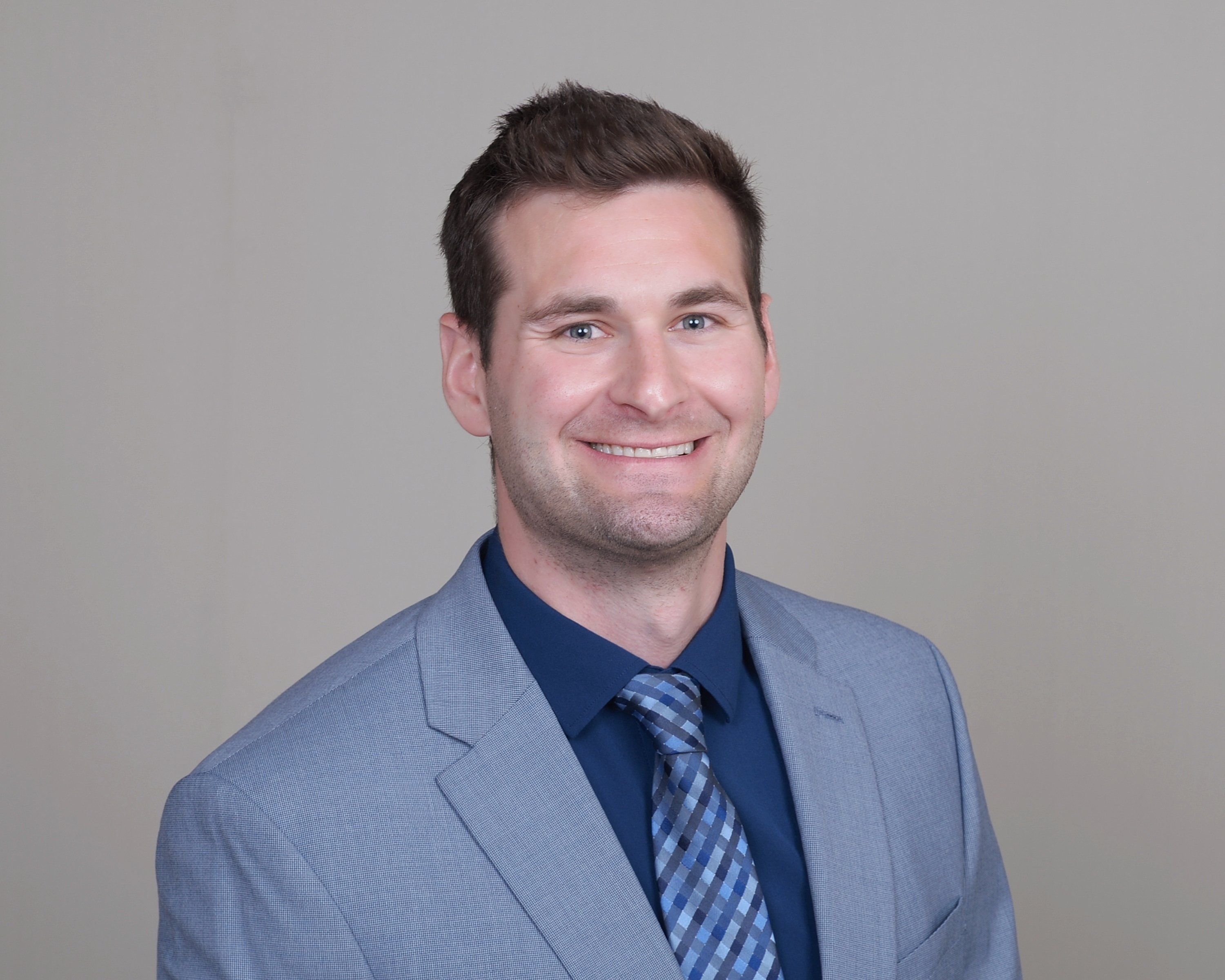
Casey Quinn, DO
Leadership Experience: Medical School Leadership at Pacific Northwest University
Vice President, Internal Medicine Grand Rounds Club (2021–2022)
Coordinated academic discussions and presentations for internal medicine topics, promoting peer learning and engagement among medical students and faculty.
Treasurer, Pathology Club (2021–2022)
Managed club finances, organized educational events, and maintained accountability for budgeting and resource allocation.
Secretary, Pediatrics Club (2021–2022)
Oversaw communication and documentation for meetings, enhancing organizational efficiency and continuity within the club.
Community Leadership
Mentor, Youth Services of Kittitas County (2021–2022), Cle Elum, WA
Designed COVID-safe youth engagement activities; promoted social development through outdoor and group activities.
Big Brother, Big Brothers Big Sisters (2014–2016), Bozeman, MT
Fostered mentorship and confidence-building in youth; developed STEM-based learning activities later adopted across the organization.
Rider Assistant, Therapeutic Riding of Tri-Cities (2022–2024), Tri Cities, WA
Provides equine therapy instruction for children with disabilities; contributes to stable management and community engagement.
What Dr. Quinn will bring to the CORD Board of Directors:
As a dual Internal Medicine and Emergency Medicine resident at a tertiary institution, I bring a unique leadership perspective that bridges acute and longitudinal care. My training has taught me to act decisively in moments of crisis while anticipating the long-term needs of patients once they enter the hospital. This dual exposure fosters independence, systems thinking, and foresight — qualities that allow me to work alongside all fields of medicine effectively, communicate across disciplines, and form a sense of comradery amongst both my EM and IM colleagues.
The modern emergency physician must be prepared to manage patients beyond the traditional bounds of the ED, providing extended, anticipatory care that ensures stability and continuity. My dual training and desire to place more EM trained physicians in rural communities is my motivation to broaden the exposure of EM, encourage participation in longitudinal care, and erase the disconnect from stabilization to hospitalized.